Free Shipping 3–5 Business Days 24/7 Support 30-Day Free Returns

Waveora Gear Guide

Dry Bag Guide

A dry bag is one of the most practical pieces of water sports gear you can own. It protects phones, towels, clothing, snacks, keys, first-aid items, and travel essentials from splashes, wet decks, shoreline spray, and changing weather. This Waveora guide explains how to choose the right dry bag size, closure style, material feel, packing method, and activity setup for paddle boarding, kayaking, snorkeling trips, pool days, beach travel, and everyday outdoor use.

5L–10L Best for phone, wallet, keys, sunscreen, and compact daily carry.
20L–30L Ideal for towels, layers, snacks, camera gear, and day trips.
40L+ Useful for family beach days, kayaking loads, and extra clothing.
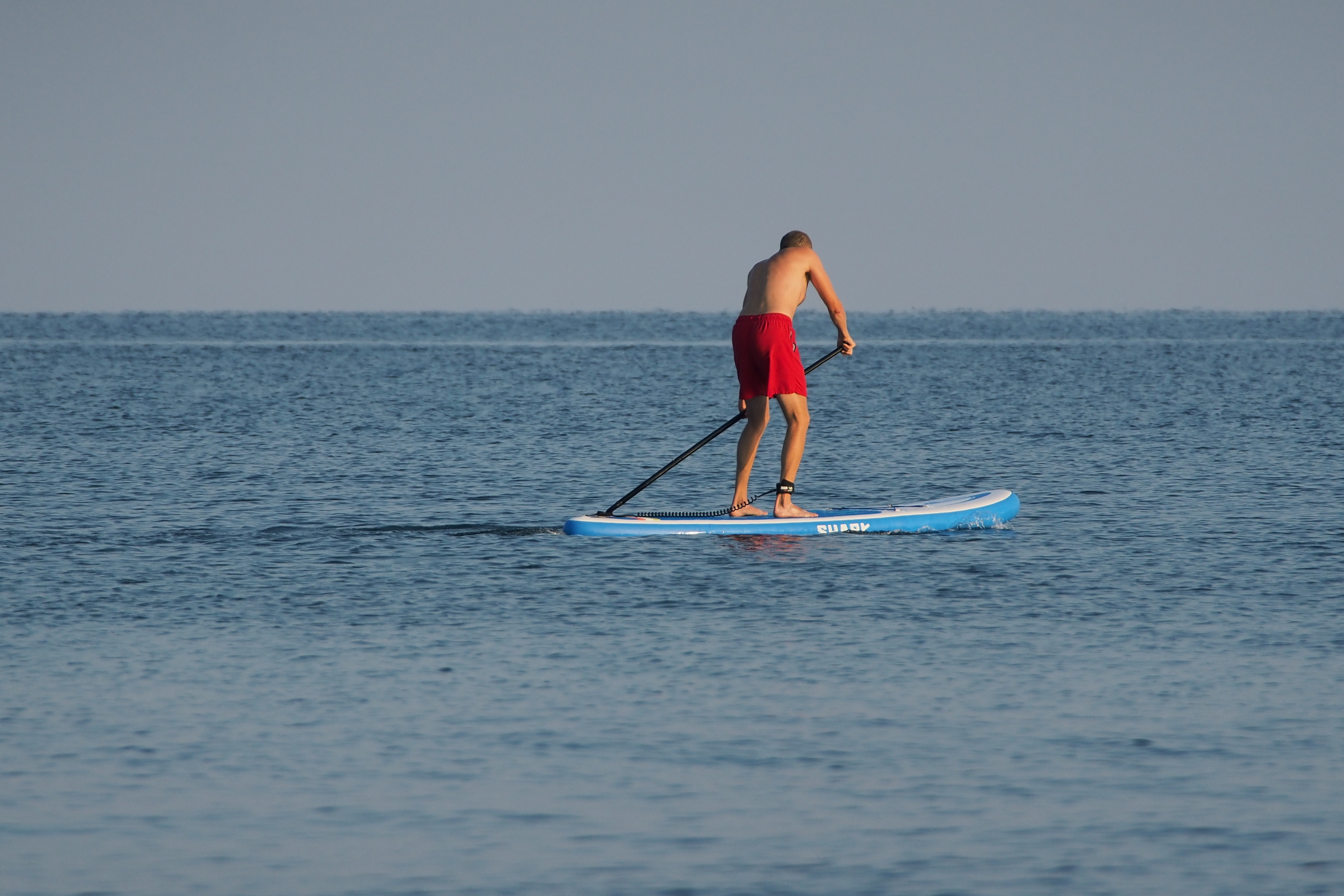
Stand up paddleboarding on open water where a dry bag helps protect essentials
Dry storage matters on paddle days. Use a dry bag to keep essentials secure while moving across wet boards, changing shorelines, and open-water conditions.
Paddle
01

What A Dry Bag Does

A dry bag creates a protective barrier between your essentials and wet environments. It is designed for splashes, spray, damp decks, rain, wet sand, and quick water exposure. For paddle boarders and kayakers, it keeps personal items protected while moving across water. For beach and pool customers, it separates dry clothing, electronics, and valuables from towels, swimsuits, sunscreen, and wet footwear.

02

What A Dry Bag Does Not Replace

A dry bag should not be treated like a hard waterproof case for deep submersion. Roll-top dry bags are excellent for water sports storage, but they must be closed correctly and used with realistic expectations. If you are carrying highly sensitive electronics, pair your dry bag with a waterproof phone case or inner pouch for added protection.

03

Why Size Matters

A dry bag that is too small becomes difficult to close properly. A dry bag that is too large can trap unnecessary air, move around awkwardly, or become inefficient on a paddle board or kayak. The best size is based on the gear you actually carry, not the largest bag available. For most day trips, a compact personal dry bag and one medium gear bag create the cleanest system.

04

The Waveora Approach

Waveora recommends thinking in zones: personal essentials, comfort items, activity gear, and emergency backup. This keeps your packing cleaner and helps you choose whether you need one small dry bag, a medium day bag, or a larger family-ready storage option.

Sizing Guide

Choose the size by activity, not guesswork.

Dry bag capacity is usually measured in liters. A small bag is easier to carry and access, while a larger bag can hold towels, clothing, and family items. The best setup depends on your water sport, how long you will be out, and how much dry storage you need after you get wet.

5L–10L

Personal Carry

Best for phones, keys, wallet, small sunscreen, sunglasses, compact snacks, and a lightweight shirt. This size works well for short paddle board sessions, pool days, quick beach visits, and keeping valuables separated inside a larger beach tote.

15L–20L

Daily Water Kit

A strong choice for one person on a longer water day. It can hold a towel, dry shirt, small first-aid kit, snacks, phone pouch, and a compact layer. This size is useful for paddle boarding, kayaking, snorkeling trips, and beach travel.

25L–30L

Adventure Load

Better for carrying bulkier towels, a change of clothing, lightweight shoes, extra rash guard, camera accessories, and food. Choose this size when you need more storage but still want a bag that feels manageable on a board or kayak.

40L+

Family Storage

Designed for group outings, family beach days, boating, camping near water, or carrying multiple towels and apparel pieces. Larger bags are practical, but they should be packed carefully so weight stays balanced and access remains easy.

Quick Selection

One bag or multiple bags?

One Small Bag

Choose this when you only need to protect valuables. It is simple, lightweight, and easy to keep close, but it may not fit towels or extra clothing.

One Medium Bag

Choose this for day trips where you need personal items and comfort gear in one place. It is the most balanced option for many water sports customers.

Two-Bag System

Use a small dry bag for valuables and a medium or large dry bag for towels and apparel. This keeps important items easier to find and better protected.

Activity Match

Match your dry bag to the water day.

The same dry bag can work across different activities, but the way you pack it should change. Paddle boards need balance. Kayaks need secure placement. Beach days need separation between wet and dry items. Pool days need quick access. Snorkeling trips need compact organization.

Paddle Boarding

A dry bag for paddle boarding should be compact enough to secure on the board and large enough for essentials. Avoid overpacking because extra height and weight can affect balance.

  • Best size: 10L–20L for most sessions.
  • Pack phone, keys, sunscreen, towel, and light layer.
  • Keep weight centered and low on the board.

Kayaking

Kayak storage can handle more gear, but access may be limited once you are on the water. Use dry bags to separate valuables, apparel, and food.

  • Best size: 15L–30L depending on route length.
  • Use smaller bags inside hatches or deck areas.
  • Clip or secure bags so they do not shift.

Snorkeling Trips

Snorkeling gear often creates a wet-and-dry problem. Keep dry clothing, electronics, keys, and towels separate from masks, fins, and wet rash guards.

  • Best size: 10L–25L for personal gear.
  • Use inner pouches for small valuables.
  • Separate wet gear after the session.

Beach Days

A dry bag helps protect valuables from sand, sunscreen spills, wet towels, and sudden weather changes. It also keeps your clean clothing separate.

  • Best size: 20L–40L for towels and apparel.
  • Use a small bag inside for phone and keys.
  • Keep sunscreen outside electronics storage.

Pool Lounging

Around the pool, dry bags are useful for phones, wallets, sunglasses, shirts, and dry towels. They also help organize adult pool float accessories.

  • Best size: 5L–15L for quick access.
  • Use bright placement so the bag is easy to spot.
  • Store dry clothes away from wet swimwear.

Travel Packing

Dry bags are useful even before reaching the water. They organize swimwear, separate damp items after use, and protect essentials during outdoor travel.

  • Best size: 10L–30L depending on luggage space.
  • Use one bag for wet gear and one for clean layers.
  • Air out after each travel day to prevent odor.
Kayaking on open water where a dry bag helps organize gear
Water sports packing needs structure. For kayaking, paddle boarding, and shoreline movement, dry bags help separate essentials by access level and water exposure.
Kayak

Materials And Closure

Look for protection, structure, and clean closure.

A dry bag performs best when the material, seams, closure, and packing method work together. Heavy-duty material can improve durability, while a flexible lightweight bag may be easier to pack inside another tote or kayak hatch. The most important habit is proper roll-top closure.

M

Material Feel

Choose a material that matches your activity. Heavier coated materials feel more structured for boating and kayaking, while lighter materials are easier for beach travel and inner organization.

S

Seam Quality

Water protection depends heavily on seams. Avoid overloaded bags that pull aggressively at seams, and check the interior after use if the bag has been exposed to heavy spray.

R

Roll-Top Closure

For best performance, press out extra air, align the top edge, roll tightly at least three times, then buckle the closure securely. A loose roll reduces protection.

C

Carry Comfort

For larger loads, look for comfortable straps or handles. A bag that feels fine empty can feel awkward once packed with towels, clothing, water shoes, and food.

Packing System

Pack in layers for cleaner access.

A dry bag becomes more useful when it is organized intentionally. The goal is to keep important items protected, prevent sharp objects from pressing into material, reduce unnecessary air, and place frequently used items near the top.

Bottom Layer Pack soft items first, such as towels, rash guards, or dry clothing. This gives the bag structure and cushions smaller valuables.
Middle Layer Add snacks, lightweight apparel, compact gear, or a small first-aid pouch. Keep heavier items centered to improve balance.
Top Layer Place items you need quickly near the top, such as sunscreen, sunglasses, phone pouch, keys, and water shoes after use.
Inner Pouch Use a smaller pouch for phone, cards, keys, and cash. This prevents small items from disappearing inside a larger dry bag.
Final Roll Press out excess air, roll tightly at least three times, buckle securely, and confirm the top is smooth before placing near water.

Recommended Packing Order

Start with soft items, then add medium gear, then valuables in a smaller protective pouch near the top. Avoid packing sharp edges directly against the bag wall. If you are carrying wet gear after your session, use a separate bag or place wet items below dry items only when they are already contained.

  • Use one small pouch for phone, keys, wallet, and cards.
  • Keep sunscreen away from electronics to avoid leaks.
  • Pack heavier items low and centered for board stability.
  • Leave enough top space for a secure roll closure.

Common Packing Mistakes

Most dry bag problems come from overfilling, rushed closure, poor placement, or mixing wet and dry items without a system. A cleaner packing method protects your gear and makes the bag easier to use during the day.

  • Do not overfill the bag until the top cannot roll tightly.
  • Do not leave trapped air if the bag needs compact storage.
  • Do not place sharp gear directly against the material.
  • Do not assume every dry bag is designed for deep submersion.

Care And Storage

Keep your dry bag ready for the next water day.

A dry bag is easy to maintain, but small habits help extend its useful life. Rinse after saltwater, remove sand before rolling, dry the inside fully, and store it uncompressed. Good care protects the material, closure, and seams.

After Saltwater

Salt can build up around buckles, seams, and folded areas. Rinse the exterior with fresh water, wipe the closure area, and allow the bag to dry before storing. If the interior became damp, open it fully and air dry it before packing again.

  • Rinse with fresh water after ocean use.
  • Remove sand from the roll-top edge before closure.
  • Dry inside and outside before long-term storage.

Before Each Trip

Check the roll-top area, buckles, straps, and seams before heading out. Make sure the bag is not punctured, overloaded, or packed with sharp items. For important electronics, add a secondary waterproof layer inside the dry bag.

  • Inspect seams and closure before water exposure.
  • Test the roll closure when the bag is packed.
  • Separate electronics from liquids and sunscreen.

Waveora Service

Clear support for every order.

Free Shipping Every Waveora product ships free, making checkout clear and simple.
3–5 Business Days Delivery is designed for customers preparing for trips, pool days, and outdoor water plans.
24/7 Support Our support team is available around the clock for order questions and product guidance.

Questions

Dry bag answers before you pack.

These answers help you choose, pack, close, and care for a dry bag with more confidence before your next paddle board session, kayak route, snorkeling trip, pool day, or beach outing.

What dry bag size should I choose first?
For most customers, a 15L–20L dry bag is the most balanced starting point. It can hold personal essentials, a towel, a light layer, snacks, and small accessories without becoming too bulky. If you only need phone, wallet, keys, and sunscreen, choose 5L–10L. If you need towels, clothing, and gear for multiple people, consider 30L or larger.
Can I use one dry bag for paddle boarding and beach days?
Yes. A medium dry bag can work across paddle boarding, kayaking, beach days, pool visits, and travel. The key is changing how you pack it. For paddle boarding, keep weight low and centered. For beach days, separate wet and dry items. For travel, use smaller inner pouches for valuables.
How do I close a roll-top dry bag correctly?
Press out excess air, align the top edge, roll the opening tightly at least three times, then buckle it securely. Do not overfill the bag, because an overpacked top cannot roll properly. A clean roll is one of the most important parts of dry bag performance.
Should electronics go directly inside a dry bag?
A dry bag adds strong protection from wet conditions, but sensitive electronics are best protected with a second layer, such as a waterproof phone case or inner pouch. Keep electronics away from sunscreen, drinks, sharp objects, and wet clothing.
Can a dry bag hold wet clothes after swimming?
Yes, a dry bag can help separate wet clothing from dry items, but it is better to use a dedicated wet-gear bag or separate pouch when possible. After use, empty the bag, rinse if needed, and let it dry fully to reduce odor and moisture buildup.
How should I clean and store my dry bag?
Rinse the bag with fresh water after saltwater or sandy use, wipe the closure area, and air dry inside and outside before storage. Store it loosely rather than tightly compressed, and check seams, buckles, and straps before each trip.
Does Waveora offer free shipping and returns?
Yes. Waveora offers free shipping on all products, 3–5 business day delivery, 24/7 support, and 30-day free returns and exchanges. Email subscribers receive an automatic 15% sitewide discount with no code required, and selected promotional products may receive an automatic 20% discount.